Canadian Genetic Diseases Network
Annual Report 1998
| Table of Contents |
Profile
Letter to Stakeholders
Partnerships: Enabling CGDN Research & Development
Science Report: 'From Genes to Therapies'
Commercial Development Report
Training Overview
Honours: Recognition of Excellence in Research
Financial Report
Members, Partners, Board, Management
| Profile |
The Canadian Genetic Diseases Network is a nation-wide institute committed to research excellence in human genetic disease, and to creating strategic partnerships to commerialize discoveries.
The institute's research program focuses on the molecular and cellular causes of common diseases such as Alzheimer's, heart disease, and cancer.
CGDN's scientists and their teams are based in universities, hospitals, and research centres across Canada. The institute succeeds through dynamic collaboration among scientists, industrial partners, academic institutions, and core technology facilities.
Corporate headquarters provides leadership in management and business development.
The Canadian Genetic Diseases Network builds partnerships to move research discoveries out of the laboratory and into the health care sector.
| Letter to Stakeholders |
1997-1998 was another successful year for the Canadian Genetic Diseases Network (CGDN). The Network's research and training program was judged to be excellent by an international peer review panel, and subsequently awarded a seven year, $4.5 Million per year grant in the federal Networks of Centres of Excellence (NCE) Phase III competition. This is the third NCE competition in which CGDN has successfully competed since the inception of the federal NCE initiative in 1989. The award for Phase III brings the federal government's investment in CGDN research in human genetic disease to over $60 million.
CGDN's successful application for funding was significantly supported by partners in the pharmaceutical, biotechnology, and other industries: nineteen companies submitted 25 letters of intent to invest up to $16.7 Million in Network research over the next seven years.
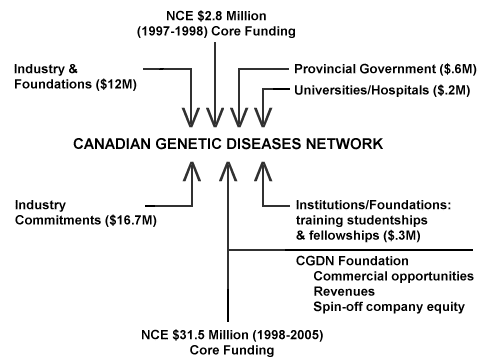
The NCE investment in genetic research provides the platform for ongoing national and global partnerships with the private and public sectors. In the 1997/1998 reporting year, CGDN's $2.8 Million in core NCE funding was leveraged to over $15 Million through cash and in-kind support from industry, foundations, universities, and provincial governments (see Fig.1). The June 1997 Report of the NCE Site Review Panel for Phase III funding states ÎCGDN is likely to become a model of partnerships.â
The year has been a period of substantial transition and growth. In April, 1998 we officially launched our new expanded research program, ÎFrom Genes to Therapiesâ. The program promotes scientific discovery and health care application through four major theme areas: gene identification, pathogenesis and functional genomics (how genes contribute to the cause and mechanism of common illnesses), new approaches to genetic therapies, and genetics and health care. These form an integrative approach to human genetic disease investigation and management. Research advances in the genetics of cancers, blood disease, muscle disease, Huntington disease, and retinal degeneration were published in the international scientific journals Cell, Nature Genetics, and Nature Medicine. In total, Network researchers published over 150 peer-reviewed scientific papers over the year.
The launch of our Phase III program was marked by the Seventh Annual CGDN Scientific Meeting held in Quebec in May, 1998. Nineteen new CGDN researchers and five Network scholars joined our 31 Phase II researchers, over 85 trainees, and 27 industry and academic institution representatives for three days of plenary sessions, workshops, and networking. Mr. Tom Brzustowski, President of the federal Natural Sciences and Engineering Research Council and Chair of the NCE Steering Committee, in a keynote address, commended CGDN for achieving a productive, globally unique critical mass in human genetic disease research. He stressed his support for increased federal investment in basic genetic research in Canada.
In March, 1998 CGDN completed its first milestone in implementing the strategic plan for core sustainability beyond 2005 by incorporating CGDN (Inc.) as a federal not-for-profit corporation. The Board of Directors of CGDN (Inc.) was elected at the first AGM in May and includes representatives from each of CGDN's member groups: academic institutions, industry, and scientific researchers.
Our new CEO and Commercial Director, Dr. Ron Woznow, joined the Network in June. In August, he received Board approval to implement a sustainability plan which includes the development of a Genetics Foundation, a $30 Million genetics venture fund limited partnership, and ongoing commercialization of Network funded technologies. This plan builds on the successes of Phase I and Phase II research and commercial activities and is designed to build a $20 Million endowment for CGDN genetics research over the next 6-7 years. To date, CGDN has accumulated over one-half million dollars in assets through licence agreements with pharmaceutical companies and equity agreements with spin-off companies.
 During the past year, CGDN participated in filing six new patent applications in the following areas: diagnostics and treatment of colon cancer, cardiovascular disease and neural tube defects, eye disease, Huntington disease, osteoporosis, Tay Sach's disease, and yeast hybrid system. Licences for patents based on CGDN sponsored research in Wilson disease and Alzheimer's disease were issued to third parties. The CGDN Strategic Project Fund provided seed dollars at the pre-patent stage for six projects (see Fig.2), four of which have subsequently been financed by venture funds.
During the year, CGDN developed new partnerships aimed at augmenting Network training programs for young scientists. These resulted in a Network Scholars program, a Bioinformatics training plan, and a graduate studentship/fellowship cost sharing initiative with our academic institution and disease foundation partners.
CGDN's goals for the coming year are: (1) To accelerate advances in genetics research and training through increased scientific collaborations, new partnerships, and investment support from the industrial sector; (2) To strengthen existing partnerships between CGDN (Inc.) and academic institution members through joint commercialization initiatives and ongoing Phase III training programs; (3) To build a genetics foundation and venture fund through new partnerships with disease foundations, academic institutions, philanthropists, and the investment community.
The Board and Management would like to thank all scientific, industrial, and academic institution members of CGDN for their contributions to the science, planning, advocacy, and support which was crucial to our success in the NCE Phase III funding renewal competition. We also thank Dr. David Shindler, our outgoing Commercial Director, for his outstanding contribution to the success of CGDN over the past eight years. We move forward with the knowledge that excellence in CGDN research and excitement in the future of the Network has never been higher.
 Mr. Graham Strachan Chairman of the Board |
 Dr. Michael R. Hayden Scientific Director |
| Partnerships: Enabling CGDN Research & Development |
CGDN partnerships with academic institutions, health care companies, disease foundations, federal and provincial governments, and venture capital investors were fundamental to the financing of R&D; in 1997/1998. Contribution of research support from our partners is shown in Fig.1 below.
Building on core NCE funding of $2.8 Million for the year, CGDN research leveraged a further $6.2 Million in cash and in-kind support from industry partners and affiliates, $.2 Million from universities and hospitals, and $.6 Million from provincial governments. Canadian foundations and foreign sources contributed a further $5.8 Million to research projects.
The $12.8 Million in partnership support for CGDN research during 1997/1998 is 350% of the initial federal NCE award ($2.8 Million) for the same period - these funds are essential for CGDN to continue to demonstrate excellence in medical genetics research.
For the period 1998-2005, almost $17 Million has already been committed to research projects and training initiatives from CGDN partners and affiliates.
In addition to this funding, the CGDN foundation will build an endowment fund to provide a sustainable funding base for 2005 and beyond.
Fig. 1 Funding overview:
Core and leveraged funding (cash & in-kind)
| Science Report: 'From Genes to Therapies' |
Renewal of CGDN's research program in 1998 took place at the same time as unprecedented growth and developments in genetic research. The Human Genome Project is proceeding rapidly and the sequencing of the human genome is expected to be completed in 2001. Last year CGDN's geneticists made important contributions to this project in the area of human disease research.
CGDN maintains its strong leadership position in genetic diseases research through: funding of peer reviewed research, facilitating collaborations among researchers, holding retreats and organizing workshops, and funding core technology facilities.
The Network is making discoveries in the area of gene discovery and the identification and validation of molecular targets and biochemical processes that contribute to diseases. With its partners, CGDN then exploits these discoveries to develop therapies that treat the cause of disease rather than the symptoms. Novel compounds that act as non-traditional molecular targets, and therapies designed to deliver 'good' genes to affected cells are likely to yield therapeutics of increased efficacy, with decreased side-effects. For example, CGDN's scientists, working with a spin-off company, designed a delivery system for gene therapy. It is currently being tested as a therapy for brain cancer.
An integrated program
CGDN's 36 research projects are grouped into four integrated themes. Researchers working in the first theme ÎGene Identificationâ, identify genes associated with common disorders. Projects in the second theme ÎPathogenesis and Functional Genomicsâ, are designed to determine how genes contribute to the progression of genetic disorders. Research in the third theme ÎGenetic Therapiesâ, which is often done in collaboration with industrial partners, focuses on developing new approaches to therapies. The projects in the final theme ÎGenetics and Health Careâ, are designed to find novel approaches to reduce the impact of disease on Canadian society.
RECENT SCIENTIFIC ACHIEVEMENTS
Gene Identification:
In 1997-1998 CGDN funded eight projects in gene discovery. The following are some of the significant contributions CGDN's researchers made in the identification of the genetic basis of human disease.
| Intracranial aneuryisms (ICA) are a common cause of brain haemorrhage where the only treatment is surgical ligation of the aneuryism, preferably before rupture. Working on the hypothesis that there are important hereditary factors involved, Dr. Guy Rouleau is conducting genetic studies on French-Canadian and Inuit families where there is a founder effect which will help in the search for candidate genes. |
Dr. Roderick McInnes at Toronto's Hospital for Sick Children, and his colleagues, identified a gene that causes cone-rod dystrophy, a progressive disease of the eye that eventually leads to blindness. This discovery aids in the understanding of how photoreceptors in the eye are developed and kept healthy, and will assist in the development of therapies for other diseases of the eye, such as retinitis pigmentosa.
Dr. Guy Rouleau at the Montreal General Hospital led an international team to discover the gene that causes a late onset muscle wasting disease - oculopharyngeal muscular dystrophy (1). This discovery provides the basis for a pre-symptomatic test for the disease.
Dr. Leigh Field, in collaboration with Danish colleagues, identified a new chromosomal locus for a gene associated with juvenile onset diabetes.
Pathogenesis and Functional Genomics
In 1997-1998 CGDN funded 14 projects in the area of Pathogenesis. Three of these projects focus on the following diseases: Huntington (HD), Parkinson's and Tay Sachs diseases.
| Building on CGDN's earlier support for the discovery of gene defects for Huntington disease and myotonic dystrophy, CGDN supports projects whose aims have now moved to develop in vitro and animal models of the disease which will allow detailed dissection of hypotheses related to the pathogenesis and assessment of new approaches to treatment. |
Dr. Michael Hayden at the Centre for Molecular Medicine and Therapeutics in Vancouver, and his colleagues, established an in vitro model for Huntington disease and found that the shorter the abnormal HD protein, the more severe is the cell's susceptibility to die and cause the disease. This insight led to a new therapeutic direction for Huntington disease: finding ways to prevent shortening of the protein.
Working with a mouse model of Tay Sachs disease, Dr. Roy Gravel at the Montreal Children's Hospital Research Institute, and his colleagues, unexpectedly found that some mice avoided early signs of Tay Sachs by taking advantage of a metabolic bypass of the genetic defect. This finding opens up the possibility of a new therapeutic strategy against Tay Sachs disease by activating the same bypass in humans.
Dr. Bob Korneluk at the Children's Hospital of Eastern Ontario, and his colleagues, discovered a new gene and characterized interacting proteins involved in the process of programing normal cell death. They also showed that the application of gene therapy leading to overexpression of proteins, known as inhibitors of apoptosis, protected neurons from damage in a model of stroke. These findings from the laboratories of Drs. Hayden, Gravel and Korneluk open the door to innovative treatments for neurodegenerative diseases.
Dr. Franois Rousseau at the Centre Hospitalier Universitaire de QuŽbec, and his colleagues, discovered that the protein associated with mental retardation in the Fragile-X syndrome is involved in the transport of genetic instructions to the site of protein synthesis. This will lead to new understanding of the causes of mental retardation and the eventual development of therapies.
Genetic Therapies
In 1997-1998 CGDN funded 10 projects for gene therapy. These projects focus on viral and liposomal gene delivery systems using one of two main strategies: manipulation of targeted cells outside the body - ex vivo, or directly into the body - in vivo.
To ensure that gene therapies are effective, we need to know conclusively whether gene transfer has taken place for both ex vivo and in vivo genetic therapies. For disorders of the blood system this problem is even more acute since we know little about the target for gene therapy, the stem cell. Dr. John Dick at Toronto's Hospital for Sick Children, and his colleagues, developed a novel stem cell assay system. Dr. Dick used the stem cell assay to develop more efficient ways to insert genes into stem cells. It is now possible to insert genes into a significant number of stem cells. This assay system is the best available to predict outcome in human trials without the need for expensive preliminary human trials. These results are vital in the quest to produce effective gene therapies for diseases of the blood, such as thalassemia.
| CGDN exploits discovery of the gene defect and an understanding of pathogenesis of a disease to move projects into the development of new therapeutic strategies. A great deal of excitement has been generated with the cloning of the cystic fibrosis gene, CFTR, towards the development of a gene therapy treatment for lung disease caused by CF. The results of many studies to date indicate that much needs to be done to discover an effective delivery tool. Use of cationic lipids is an attractive drug delivery vehicle as previous studies show that lipid-DNA complexes have been successful in introducing genes into lung cells either by direct delivery through the trachea or by intravenous injection. Dr. Lap-Chee Tsui plans to optimize the drug delivery vehicle and test in an animal model. |
Dr. Frank Tufaro at the University of British Columbia, and his colleagues, reported for the first time the function of a tumour suppressor gene which represents a new starting point for a molecular attack on bone cancer in children.
Genetics and Health Care
In 1997-1998 CGDN funded four projects for genetics and health care. These projects focus on developing, evaluating and implementing new methods to test for susceptibility to hereditary diseases.
Dr. Steven Narod at the University of Toronto/ Women's College Hospital and international colleagues found that women with BRCA1 and/or BRCA2 mutations (at high risk of developing breast and ovarian cancers) who take oral contraceptives reduce their risk of developing ovarian cancer (2).
Dr. Charles Scriver at the Montreal Children's Hospital Research Institute, and colleagues, completed a prototype on-line database (of mutations of the phenylalanine hydroxylase gene) for scientific, medical and patient populations. This contributed to the HUGO Mutation Database Initiative which is a global resource for genetics researchers and genetic counsellors.
Dr. Norman Dovichi at the University of Alberta, and his colleagues, discovered how to sequence DNA faster using a second generation 2-dimensional capillary DNA sequencer. This advancement will eventually allow faster testing of gene mutations and a technology that will allow the Human Genome Project to attain its goals more rapidly.
| CGDN aims to move its support for the discovery of gene defects directly towards the provision of comprehensive genetic diagnosis based on newly derived protocols. Procedures for DNA diagnosis of genetic disease are often complicated by the large number of mutations associated with some diseases. A pilot project is underway to develop protocols for a clinical diagnosis service for DNA detection of known mutant genes causing illnesses such as Gaucher's and Tay-Sachs diseases, and to extend this service to the characterization of uncommon gene defects. |
Core Technology Facilities
In the past year, 20 researchers from 11 institutions used CGDN core technology facilities. CGDN increased the number of core facilities in 1998 to include genotyping, bioinformatics training, genome alterations in C. elegans, in vivo DNA analysis, and protein-protein interactions. At the same time CGDN increased its training activities to ensure that these technologies are used effectively.
All 15 core facilities are designed to provide CGDN researchers and partners with cost efficient access to leading edge technologies which are not readily available elsewhere. These facilities have proven invaluable in the quest for new genes especially when researchers are in a race to identify a gene. CGDN and the core facility directors also implemented a program to give network partners access to core facilities when they are not in use by their own researchers. This is an effective means for small biotechnology companies to gain access to leading-edge technologies and advance their own projects at reasonable cost.
The core technology facilities are:
Genotyping (Montreal)
A new high-throughput genotyping facility, under the direction of Dr. Tom Hudson, provides genome-wide scans to rapidly identify candidate gene regions from family DNA material.
Complex traits analysis (Montreal)
This resource under the direction of Dr. Emil Skamene provides unique recombinant congenic strains of mice to help identify genes controlling clinically-significant complex phenotypes.
DNA sequence analysis (Vancouver, Victoria, Toronto)
These facilities have automated sequencing equipment and expertise in DNA sequencing and analysis. The directors are Drs. Michael Hayden, Ben Koop, and Stephen Scherer respectively. Dr. Koop's facility also specializes in large scale genomic sequencing and clone characterization.
Bioinformatics training (Vancouver)
This facility will provide training to CGDN researchers and trainees in the use of genomic and protein sequence databases tools and resources.
DNA FISH mapping (Toronto)
This facility, under the direction of Dr. Jeremy Squire, uses fluorescence in situ hybridization for mapping genes and cDNAs to chromosomal regions of human and mouse genomes.
Transcribed sequence detection (Toronto)
This facility, under the direction of Dr. Johanna Rommens, identifies transcribed sequences in genomic DNA in order to discover candidate genes. In the past year, contributions were made to identify the genes causing oculopharyngeal muscular dystrophy (see Guy Rouleau above) and methionine synthase reductase gene (3).
Genome alteration in mice (Vancouver, Hamilton, Toronto)
Under the direction of Dr. Frank Jirik at the Centre for Molecular Medicine and Therapeutics, the Vancouver facility develops 'transgenic' mice to produce tissue-specific gene expression. In addition to nine ongoing collaborations, the facility produced a mouse model of Hurler's syndrome (4). The two other facilities are located at: the Institute for Molecular Biology and Biotechnology, McMaster University, Hamilton under the direction of Dr. Michael Rudnicki, and the Samuel Lunenfeld Research Institute, Mt. Sinai Hospital, Toronto under the direction of Drs. Janet Rossant and Andras Nagy. At these facilities, researchers introduce mutations into defined locations of the mouse genome. In the past year Dr. Rudnicki's gene-targeting core facility produced two different mouse models. These knock-out mice are currently being validated as models for studies of obesity and cancer.
Genome alterations in C. elegans (Toronto)
This new facility under the direction of Dr. Joe Culotti uses the nematode worm to study genes that are homologs of human disease genes to gain comparative understanding of the biochemical processes involved, and to identify targets for potential therapeutic development.
In vivo DNA analysis (Quebec)
This new facility, under the direction of Dr. RŽgen Drouin, provides extremely sensitive ways to analyze the physical state of DNA in vivo to yield information on protein-DNA interactions, DNA methylation status, and distribution of natural and induced DNA damage.
Protein-protein interactions (Toronto)
This new collaborative facility under the direction of Dr. Jack Greenblatt combines solid phase protein-affinity chromatography to isolate proteins and time-of-flight mass spectrometry to identify existing interacting proteins.
Immunoprobes (Winnipeg)
This new facility under the direction of Dr. John Wilkins helps produce antibodies against molecules (isolated or synthetic) of interest. The facility also collaborates on antigen design and detection assays for antibody generation. Since its start up at the beginning of 1998, the facility has successfully produced three monoclonal antibodies for CGDN researchers.
(1) Brais, B. et al. Nature Genetics 18: 164 (1988)
(2) Narod, S. et al: New England Journal of Medicine 339: 424-428 (1998)
(3) Leclerc, D. et al. Proc. Natl. Acad. Sci. USA 95: 3059-3064 (1988)
(4) Clarke, L. et al. Hum. Mol. Genet. 6: 503-511 (1997)
Gene Identification
Researchers
L. Field (Calgary); D. Cox, M. Walter (Edmonton); G. Ebers, R. Hegele (London); B. Triggs-Raine (Manitoba); P. Gros, T. Hudson, K. Morgan, G. Rouleau, E. Schurr (Montreal); F. Rousseau (Quebec); R. McInnes, J. Rommens, S. Scherer, K. Siminovitch, P. St. George-Hyslop, L-C. Tsui (Toronto); M. Hayden (Vancouver)
Projects
Craniofacial diseases-Nonsyndromic cleft lip with or without cleft palate
Gastrointestinal diseases- Cystic fibrosis, inflammatory bowel disease, colorectal cancer, liver disease
Diabetes-IDDM, NIDDM
Cardiovascular diseases-HDL deficiency, intracranial aneurysm
Neurological disorders-Dyslexia, familial dementia, multiple sclerosis, attention deficit/hyperactivity, Tourette syndrome
Bone & joint disorders-Rheumatoid arthritis, psoriasis
Modifier genes-Cystic fibrosis, triplet expansion diseases
Susceptibility to infection-Legionnairesâ disease, CMV, malaria, salmonella, tuberculosis
Ocular diseases-Glaucoma, retinitis pigmentosa, developmental eye defects

Pathogenesis & Functional Genomics
Researchers
N. Dovichi (Edmonton); R. Gravel, T. Hudson, G. Mitchell, K. Morgan, G. Rouleau, R. Rozen (Montreal); A. MacKenzie, R. Korneluk (Ottawa); F. Rousseau (Quebec); B. Gallie, D. MacLennan, B. Robinson, P. St. George-Hyslop (Toronto); M. Hayden, P. Hieter, F. Jirik (Vancouver)
Projects
Cancer-Retinoblastoma, folate metabolism & tumours
Neurological disorders-Apoptosis, Alzheimerâs disease, Huntington disease, Fragile X syndrome
Metabolic disorders-Tay-Sachs & Sandhoff diseases, respiratory chain defects, obesity
Neuromuscular disorders-Calcium regulation & muscle disease, myotonic dystrophy
Functional genomics-SAGE analysis, DNA chips, gene-trapping in embryonic stem cells, methylation patterns in genomic DNA

Genetic Therapies
Researchers
C. Scriver (Montreal); R. Worton (Ottawa); J. Dick, R. McInnes, C. Roifman, L-C. Tsui (Toronto); L. Clarke, P. Cullis, M. Hayden, F. Jirik, F. Tufaro (Vancouver)
Projects
Technology development -Viral vectors: HSV, liposomes, stem cells
Applications-Murine tumour models, LPL deficiency, murine Hurlerâs syndrome, cystic fibrosis, Duchenne muscular dystrophy, human immunodeficiency diseases, retinal degeneration, enzyme substitution for phenylketonuria

Genetics & Health Care
Researchers
N. Dovichi (Edmonton); C. Scriver (Montreal); B. Gallie, S. Narod, L-C Tsui (Toronto)
Projects
Technology development -DNA diagnostics
Mutations-Detection, databases
Impact/Evaluation-Meta-analysis of treatment of hereditary diseases, retinoblastoma, malignant hyperthermia, breast & ovarian cancer
Core Technologies
Facilities
Genotyping-T. Hudson, K. Morgan (Montreal)
Complex traits analysis-E. Skamene (Montreal)
DNA sequence analysis-M. Hayden (Vancouver), B. Koop (Victoria), S. Scherer (Toronto)
Bioinformatics training -P. Hieter (Vancouver)
FISH DNA mapping-J. Squire (Toronto)
Transcribed sequence detection-J. Rommens (Toronto)
Genome alteration in mice -F. Jirik (Vancouver), A. Nagy, J. Rossant (Toronto), M. Rudnicki (Hamilton)
Genome alterations in C. elegans-J. Culotti (Toronto)
In vivo DNA analysis-R. Drouin (Quebec)
Protein-protein interactions -J. Friesen, J. Greenblatt, A. Pawson (Toronto)
Immunoprobes-J. Wilkins (Winnipeg)
| Commercial Development Report |
'CGDN ... is likely to establish models for technology commercialization partnering which will be a standard for Canada.'
1997 Report of the NCE Site Review Panel
An important CGDN goal is to develop and capture the maximum commercial potential of Network-supported research for the benefit of all stakeholders. These are the academic institutions, scientists, and industry partners or affiliates who contribute to developing CGDN-funded intellectual property.
In early 1998 CGDN formalized an "Internal Agreement" with our partners which accords CGDN specific opportunities to participate in the evaluation and commercialization of Network supported intellectual property and take a share in the commercial returns. In recognition of the CGDN track record in research, development and commercialization over the past seven years, the Network's stakeholder partners regularly consult Network management on commercialization strategy.
STRATEGIC R&D;
Significant returns
The first step CGDN takes in developing commercial potential in Network research is providing incremental funding support through the CGDN Strategic Project Fund. Highly effective and innovative in using seed funding to leverage and catalyze commercialization, the Fund has helped incubate six companies since 1995.
In 1997/1998 the Fund directed $205,000 to the support of six CGDN researchers whose projects were judged by a peer advisory panel to be at a pre-commercial stage (see Fig.2). Four of these projects received financing from venture capital funds: retinal therapies, osteoporosis, inflammatory and immunological disorders, and neurological genes.
Investment growth
During the last year, two CGDN spin-off companies completed private second-round financings: NeuroVir Inc. at $9.5 Million (total financing to date is $13.5 Million), and ApoptoGen at $8 Million (total financing to date is $9 Million). The Network's equity holdings in these two companies are 1.2% and 2.2% respectively. Negotiated revenues for CGDN services to NeuroVir were $18,231 and cost recovery on core facility services to ApoptoGen were $26,000.
Intellectual property
CGDN management assisted researchers to file 6 patent applications in 1997/1998 (see Fig.3). Two licences were granted to the industrial sector.
In strengthening Canada's research and biotechnology infrastructure, CGDN is playing an essential role in building scientific knowledge and economic growth, while making new and significant advancements in health care.
Fig.2 Ventures in the pipeline:
CGDN Strategic Fund Investments 1997/1998
|
Researcher & Project Area |
Academic Institution |
Strategic Fund Investment |
|
Dr. Rod McInnes: |
Hospital for Sick Children |
$25,000 |
|
Dr. Kathy Siminovitch/Dr. Lap-Chee Tsui: |
Mt. Sinai Hospital & Hospital for Sick Children |
$45,000 |
|
Dr. Francois Rousseau: |
University of Laval |
$25,000 |
|
Dr. Michael Walter: |
University of Alberta |
$25,000 |
|
Dr. Frank Jirik: |
University of British Columbia |
$40,000 |
|
Dr. Guy Rouleau: |
Montreal General Hospital |
$45,000 |
Fig.3 Patents filed and licences granted in 1997/1998
| Patent applications filed: |
Inventor: |
Licences issued: |
|
Diagnostics & treatment for colon cancer, cardiovascular & neural tube defects |
Drs. Roy Gravel & Rima Rozen: McGill University |
- |
| Retinal degenerative disease |
Dr. Rod McInnes: |
-
|
| Huntington disease |
Dr. Michael Hayden: |
-
|
| Osteoporosis |
Dr. Franois Rousseau: |
-
|
| Tay Sachâs disease treatment |
Dr. Roy Gravel: |
-
|
| Yeast hybrid system |
Dr. Barbara Triggs-Raine: |
-
|
|
Dr. Diane Cox: |
Wilson disease | |
| Dr. Peter St George-Hyslop: University of Toronto |
Alzheimerâs disease |
| Training Overview |
The partnership model
CGDN recognizes the importance of investing in training programs to develop the next generation of outstanding academic and industrial genetic researchers.
In 1997/1998 CGDN provided the following initiatives: the Visiting Researcher Program which funds students' intra-Network laboratory training visits to acquire new skills and learn new technologies; career development workshops led by our industry members, e.g. at the Annual CGDN Scientific Meeting; core technology workshops led by core facility directors - the Network sponsored a week-long workshop in embryonic stem cell mediated genome alteration at Mount Sinai Hospital, led by Dr. Janet Rossant.
A new partnership training initiative in 1998 brought five new faculty appointees, with credentials compatible with CGDN goals, into the Network as Network Scholars. Our goal is to provide young scientists with exposure to the research, core facilitiies, networking, and commercial activities of CGDN.
In addition, CGDN signed shared-funding agreements in 1998 with seven hospitals, research institutes, and disease foundations in support of 17 graduate studentships and postdoctoral research fellowships across Canada, under the supervision of Network researchers. Fig.4 lists these agreements and the partners.
Fig.4 Training Agreements
| Postdoctoral Fellowships |
Graduate Studentships |
|
| Arthritis Society |
1
|
-
|
| B.C. Research Institute for Childrenâs & Womenâs Health |
1
|
2
|
| Hospital for Sick Children, Toronto |
2
|
2
|
| Samuel Lunenfeld Research Institute |
1
|
1
|
| Childrenâs Hospital of Eastern Ontario |
1
|
1
|
| Montreal Childrenâs Hospital |
2
|
2
|
| Ottawa General Hospital |
1
|
-
|
A major national collaboration aimed at developing Canadian expertise in bioinformatics was started. CGDN will take the lead in developing infrastructure and specific training programs. In partnership with the BIOTECanada Human Resource Council, the Network identified a two-track training program: short courses for industrial and university researchers, as users of bioinformatics tools, and a longer-term track for PhD students and postdoctoral fellows who will become the future leaders in the rapidly growing field of bioinformatics. Additionally, Base4 Bioinformatics Inc. is a partner in funding three new CGDN/Base4 bioinformatics training fellowships at CGDN centres to meet the need for individuals specialized in managing large-scale databases of biological information and interactive networks.
Reinvesting in the future
The CGDN training program was commended by the 1997 NCE Site Review Panel as providing '...an outstanding training environment for students to gain access to eminent scientists and to the most up-to-date tools...CGDN will form an important (source of expertise and personnel) for the growing biotechnology industry given the high quality of its research and its role in training future scientists in the area of genetics and molecular biology.' Network trainees in 1997-1998 are shown below in Fig.5.
Fig. 5 Trainees (1997-1998)
| Research associates |
13
|
| Postdoctoral fellows |
32
|
| Graduate students |
72
|
| Summer students |
5
|
| Honours: Recognition of excellence in research |
In 1997/1998 CGDN scientists and students received some of the top Canadian and international awards for excellence in science.
AWARDS RECEIVED BY SENIOR RESEARCHERS
Alberta Heritage Foundation - Sabbatical Fellowship: Leigh Field, University of Calgary
Arthritis Society - Research Scientist Award: Frank Jirik, University of British Columbia
Burroughs Wellcome - Clinical Translation Award: Alex MacKenzie, University of Ottawa
Canadian Society for Clinical Investigation - Distinguished Scientist Award: Michael Hayden, University of British Columbia; Joe Doupe Young Investigatorâs Award: Tom Hudson, Montreal General Hospital
Fonds de la recherche en santé du Quebec -Scholarship Junior II: François Rousseau, University of Laval
Howard Hughes Foundation - International Scholar Award: Peter St George-Hyslop, University of Toronto
MacLeanâs Magazine - 1997 Canadian Honour Roll: Peter St George-Hyslop, University of Toronto
Medical Research Council of Canada - MRC Distinguished Scientist Award: Anthony Pawson, Mount Sinai Hospital; Charles Scriver, Montreal Childrenâs Hospital Research Institute; MRC Genetics Panel - Chair: Michael Rudnicki, McMaster University; Michael Smith Award for Excellence: John Dick, Hospital for Sick Children; Peter St George-Hyslop, University of Toronto; MRC Scholarship: Stephen Scherer, Hospital for Sick Children; MRC Scientist Award: John Dick, Hospital for Sick Children; François Rousseau, University of Laval; MRC Senior Scientist Award: Michael Hayden, University of British Columbia; Robert Korneluk, University of Ottawa
Ontario March of Dimes - Jonas Salk Award: Lap-Chee Tsui, Hospital for Sick Children
Order of Canada - Companion: Charles Scriver, Montreal Childrenâs Hospital Research Institute
Order of Quebec - Grand Officer: Charles Scriver, Montreal Childrenâs Hospital Research Institute
Oxford Congress - Doyne Memorial Lecturer: Brenda Gallie, Hospital for Sick Children
Royal College of Physicians and Surgeons - Distinguished Lecturer: Michael Hayden, University of British Columbia
Royal Society of Canada - Fellow: Robert Korneluk, University of Ottawa; Emil Skamene, Montreal General Hospital
Toronto Biotechnology Initiative - Community Service Award: Lap-Chee Tsui, Hospital for Sick Children
University of Alberta - J. Gordin Kaplan Award for Excellence in Research: Norman Dovichi
University of Toronto - Paterson Memorial Lecturer, Sunnybrook Health Sciences Centre: Peter St George-Hyslop; Tanenbaum Chair in Molecular Medicine: Jack Greenblatt, Roderick McInnes, Janet Rossant
AWARDS RECEIVED BY RESEARCH TEAM MEMBERS
Alberta Heritage Foundation - Studentship: Tracey Favero, University of Calgary
American Association for Cancer Research/Glaxo Wellcome - Oncology Clinical Research Award: Jean-Philippe Therrien, Laval University
Burroughs Wellcome - Career Award in Biomedical Sciences: Salman Qureshi, Montreal General Hospital
British Columbia Scleroderma Association - Studentship: Connie Wong, University of British Columbia
Canadian Arthritis Society - Fellowship: Christopher Ong, University of British Columbia; Studentship: Scott Pownall, University of British Columbia
Canadian Diabetes Association - Fellowship: Ketan Badiani, University of Manitoba
Canadian Liver Foundation - Scholarship: Steven Moore, University of Alberta
Centre de Recherche de lâHôpital Sainte-Justine - Bourse dâexcellence: Nancy Laurin, University of Montreal
Fonds pour la formation de Chercheurs et l'Aide - Studentship: Anny Fortin, McGill University; Eric Campeau, Montreal Childrenâs Hospital Research Institute
Garrod Association - Studentship: Nana Lee, Hospital for Sick Children
Governor Generalâs Gold Medal - Top graduate in Natural Sciences & Engineering: Bernard Brais, Montreal General Hospital
Health Canada, National Health Research & Development Progam - Studentship: Alex Chang, University of British Columbia
Hereditary Disease Foundation - Postdoctoral Fellowship: Cheryl Wellington, University of British Columbia
Medical Research Council of Canada - Centennial Fellowship: Jamal Nasir, University of British Columbia; Fellowship: Susan Andrew, University of Alberta; Graduate Scholarship: John Forbes, University of Alberta; Postdoctoral Fellowship: Celia Greenwood, Montreal General Hospital; Studentship: Eduardo Diez, McGill University; Scott Pownall, University of British Columbia
Mandel Award for Best Research Presentation: Brian Mark, University of Manitoba
Manitoba Health Research Council - Studentship: Brian Mark, University of Manitoba
McGill University - Studentship: Chantal Depatie
Montreal Childrenâs Hospital Research Institute - Fellowship: Suleiman Igdoura, Maowu Guo; Studentship: Aaron Wilson
Natural Sciences & Engineering Research Council of Canada - Graduate Studentship: Tracey Favero, University of Calgary; Christopher Gafuik, Montreal Childrenâs Hospital Research Institute; Nancy Bourassa, University of Laval; Agnes Francis & Joanne Fox, University of British Columbia; Post Doctoral Fellowship: Todd MacKenzie, Montreal General Hospital; Celia Greenwood, Montreal General Hospital; Post Graduate Fellowship: Anne Davidson, University of Toronto; Post Graduate Studentship: Craig McCormick & Diane Martindale, University of British Columbia
National Cancer Institute of Canada - Fellowship: Ken Harder, University of British Columbia
Pavillon Saint- François dâAssise - Studentship: Christian Dombrowski, University of Laval
The A. and R. Pietrangeli Memorial Travel Award: Annie Fortin, Montreal General Hospital
Prix dâExcellence de lâAcademie des Grands Montrealais: Ron Lafrenière, Montreal General Hospital
University of Toronto - Gordon Cressy Leadership Award: Celia Greenwood, Montreal General Hospital
University of British Columbia - Graduate Fellowship: Angela Dyer & Carol Lee
| Financial Report |
The financial information contained in this Annual Report was prepared by Canadian Genetic Diseases Network management in accordance with the requirements of the federal Networks of Centres of Excellence program.
Federal NCE funds are allocated through the Medical Research Council and represent core support of the CGDN research program. These funds are administered and disbursed by the University of British Columbia under the direction of CGDN management.
Non-NCE (other funds) are received from sources other than the federal government, usually but not exclusively from commercial activities.
Statement of Operations
|
Year ended March 31 |
1997-1998 |
1996-1997 |
|
|
Revenues |
|||
|
NCE award |
$2,756,250 |
$3,035,156 |
|
|
Other (Note 2) |
$44,231 |
$135,882 |
|
|
Total revenues |
$2,800,481 |
$3,171,038 |
|
|
Operating Expenses |
|||
|
NCE research & operations (Note 3) |
$2,756,250 |
$3,035,156 |
|
|
Other (Note 4) |
$7,675 |
$4,000 |
|
|
Total operating expenses |
$2,763,925 |
$3,039,156 |
|
|
Interest on other revenues |
$3,671 |
$1,360 |
|
|
Net Profit |
$40,227 |
$133,242 |
Balance Sheet
|
Year ended March 31 |
1997-1998 |
1996-1997 |
|
|
Assets |
|||
|
Current assets |
|||
|
Cash (Note 5) |
$173,459 |
$133,242 |
|
|
Receivables (Note 6) |
$333,565 |
$18,231 |
|
|
Equity holdings (Note 7) |
$52,523 |
$2,500 |
|
|
Total current assets |
$559,547 |
$153,973 |
|
|
Liabilities |
$26,000 |
- |
|
|
Retained earnings |
$533,547 |
$153,973 |
|
|
$559,547 |
$153,973 |
| Notes to Financial Statements |
March 31, 1998
1. Accounting policies
The integrity and control of expenditures and accounting of NCE and non-NCE funds is the responsibility of the CGDN Board of Directors and Management. Accounting of NCE funds is conducted according to Medical Research Council and CGDN policies. These financial statements were prepared in conformity with accounting principles generally accepted in Canada.
2. Other revenues
Revenues from non-NCE sources:
| CGDN services in the launch of NeuroVir Inc. | $18,231 |
| Cost recovery for core facility services to ApoptoGen Inc. | $26,000 |
| $44,231 |
3. NCE research and operations
Under NCE guidelines, NCE funds are fully committed to be spent or returned to the program directorate.
4. Other operating expenses
Consulting & other fees paid from non-NCE sources:
| Communications | $7,150 |
| Accounting | $ 525 |
| $7,675 |
5. Cash assets
Non-NCE funds:
Term deposit, held in trust -
| Principle | $142,428 |
| Interest | $5,031 |
| Cost recovery funds, held at UBC | $ 26,000 |
| $173,459 |
6. Receivables
| First payment under revenue sharing agreement with University of Toronto and Hospital for Sick Children on Alzheimerâs disease | $333,565 |
7. Equity holdings
Calculated at nominal value:
| 250,000 common shares in NeuroVir Inc. | $ 2,500 |
|
140,000 class A common shares; 100,000 class A preferred shares in ApoptoGen Inc. |
$ 50,014 |
| 927 common shares in RGS Genome Inc. | $ 9 |
| $ 52,523 |
| Members: Scientists & Institutions |
John P. Robarts Research Institute, London
Dr. Robert Hegele
Hospital for Sick Children, TorontoDr. John Dick
Dr. Brenda Gallie
Dr. Roderick McInnes
Dr. Brian Robinson
Dr. Chaim Roifman
Dr. Johanna Rommens
Dr. Stephen Scherer
Dr. Lap-Chee-Tsui
London Health Sciences Centre, London
Dr. George Ebers
McGill University, Montreal
Dr. Philippe Gros
Montreal Childrenâs Hospital Research Institute
Dr. Roy Gravel
Dr. Rima Rozen
Dr. Charles Scriver
Montreal General Hospital
Dr. Tom Hudson
Dr. Ken Morgan
Dr. Guy Rouleau
Dr. Erwin Schurr
Dr. Emil Skamene
McMaster University, Hamilton
Dr. Michael Rudnicki
Mount Sinai Hospital, Toronto
Samuel Lunenfeld Research Institute
Dr. Joseph Culotti
Dr. Andras Nagy
Dr. Tony Pawson
Dr. Janet Rossant
Dr. Kathy Siminovitch
Ottawa General Hospital, Ottawa
Dr. Ronald Worton
University of Laval, Quebec
Centre Hospitalier Universitaire de QuŽbec: Pavillon Saint- Franois dâAssise
Dr. RŽgen Drouin
Dr. Franois Rousseau
University of Alberta, Edmonton
Dr. Diane Cox
Dr. Norman Dovichi
Dr. Michael Walter
University of British Columbia, Vancouver
Dr. Lorne Clarke
Dr. Pieter Cullis
Dr. Frank Tufaro
Centre for Molecular Medicine and Therapeutics
Dr. Michael Hayden
Dr. Phil Hieter
Dr. Frank Jirik
University of Calgary, Edmonton
Dr. Leigh Field
University of Manitoba, Winnipeg
Dr. Barbara Triggs-Raine
Dr. John Wilkins
University of Montreal
H™pital Sainte-Justine
Dr. Grant Mitchell
University of Ottawa
Childrenâs Hospital of Eastern Ontario
Dr. Robert Korneluk
Dr. Alex MacKenzie
Dr. Joh-E Ikeda
University of Toronto
Centre for Research in Neurodegenerative Disease
Dr. Peter St George-Hyslop
Womenâs College Hospital
Dr. Steven Narod
Banting & Best
Dr. James Friesen
Dr. Jack Greenblatt
Dr. David MacLennan
Ontario Cancer Institute
Dr. Jeremy Squire
University of Victoria
Dr. Benjamin Koop
| Non-profit Affiliates |
Arthritis Society
B.C. Research Institute for Children's and Women's Health
Association Franais contre les myopathies
Canadian Breast Cancer Foundation
Canadian Breast Cancer Research Initiative
Canadian Cystic Fibrosis Foundation
Canadian Diabetes Association
Canadian Heart and Stroke Foundation
E.A. Baker Foundation of CNIB
Foundation for Fighting Blindness
Foundation for Gene and Cell Therapy
Garrod Association
Howard Hughes Medical Institute
Huntington Society of Canada
Kidney Foundation of Canada
Muscular Dystrophy Association
National Cancer Institute of Canada
National Parkinson Foundation
Retinis Pigmentosa Eye Research Foundation
| Industrial Affiliates |
ACGT Corporation
Affymetrix
Alcan Aluminum Ltd.
Amgen
ApoptoGen Inc.
Base4 Bioinformatics Inc.
Bayer
Biocatalyst Yorkton Inc.
BioChem Pharma Inc.
Bristol-Myers Squibb
Burroughs Wellcome
Canadian Medical Discoveries Fund Inc.
Cephalon
Darwin Molecular
Ellipsis
Ernst & Young
GeneChem Technologies Venture Fund
Hongkong Bank of Canada
IBEX Technologies Inc.
Innovatech
Interaction Biosciences
Japan Research & Development Corporation
Milestone Medica Corporation
Molecumetics
NeuroVir Inc.
PARTEQ R&D; Innovations
RGS Genome Inc.
Rhone-Poulenc Rorer Inc.
Schering Canada Inc.
SeeDNA Biotech Inc.
Sequella
StressGen Biotechnologies Corp.
T2C2
University Medical Discoveries Inc.
XENON Bioresearch Inc.
| Government Affiliates |
BIOTECanada Human Resource Council
Japan Science and Technology Council
Medical Research Council of Canada
National Research Council of Canada
National Institute of Health
| Board of Directors |
Mr. David Arkowitz
Vice-President, Finance & Business Development
Merck Frosst Canada Inc., Montreal
Dr. Norman Dovichi
Professor of Chemistry
University of Alberta, Edmonton
Dr. John Gillard
President & CEO
ApoptoGen Inc., Ottawa
Mr. Richard Glickman
President & CEO
StressGen Biotechnologies Corp., Victoria
Dr. Michael Hayden
Scientific Director
Canadian Genetic
Diseases Network, Vancouver
Dr. Robert Heft
President & Chief Operating Officer
IBEX Technologies Inc., Montreal
Mr. Louis Lacasse
President
GeneChem Technologies Venture Fund, Laval
Mr. John Molloy
President and CEO
PARTEQ R&D; Innovations, Kingston
Dr. Heather Munroe-Blum
Vice President of Research
University of Toronto
Dr. Mark Pearson
Consultant
Molecumetics, Seattle
Dr. Martha Piper
President
University of British Columbia, Vancouver
Dr. Calvin Stiller
Chairman & Chief Executive Officer
Canadian Medical Discoveries Fund Inc., London
Mr. Graham Strachan
President and Chief Executive Officer
Allelix Biopharmaceuticals Inc., Mississauga
Dr. Ronald Worton (non-voting)
Associate Scientific Director
Canadian Genetic Diseases Network, Ottawa
Dr. Louise Desjardins (non-voting)
Networks of Centres of Excellence Program
| Management - Scientific |
Scientific Director:
Dr. Michael Hayden
Professor of Medical Genetics
University of British Columbia
and
Director, Centre for
Molecular Medicine & Therapeutics,
Vancouver
Scientific Advisory Board Director:
Dr. Lap-Chee Tsui
Geneticist-in-Chief, Head of Genetics and Genomic Biology Program, Hospital for Sick Children
H.S. Sellers Chair in Cystic Fibrosis, Professor of Molecular & Medical Genetics, University of Toronto
Associate Scientific Director:
Dr. Ron Worton
Director, Research Institute, Ottawa General Hospital, Ottawa
Associate Scientific Director:
Dr. Charles Scriver
Alva Professor of Human Genetics, McGill University, Montreal
| Management - Corporate |
Chief Executive Officer
Dr. Ron Woznow
Manager, Business Development
Dr. Helena Chaye
Manager, Scientific Affairs & Training
Mr. Stephen Herst
Manager, Finance and Administration
Ms. Carol Smith
Administrative Assistant
Ms. Mary Jane Frith